
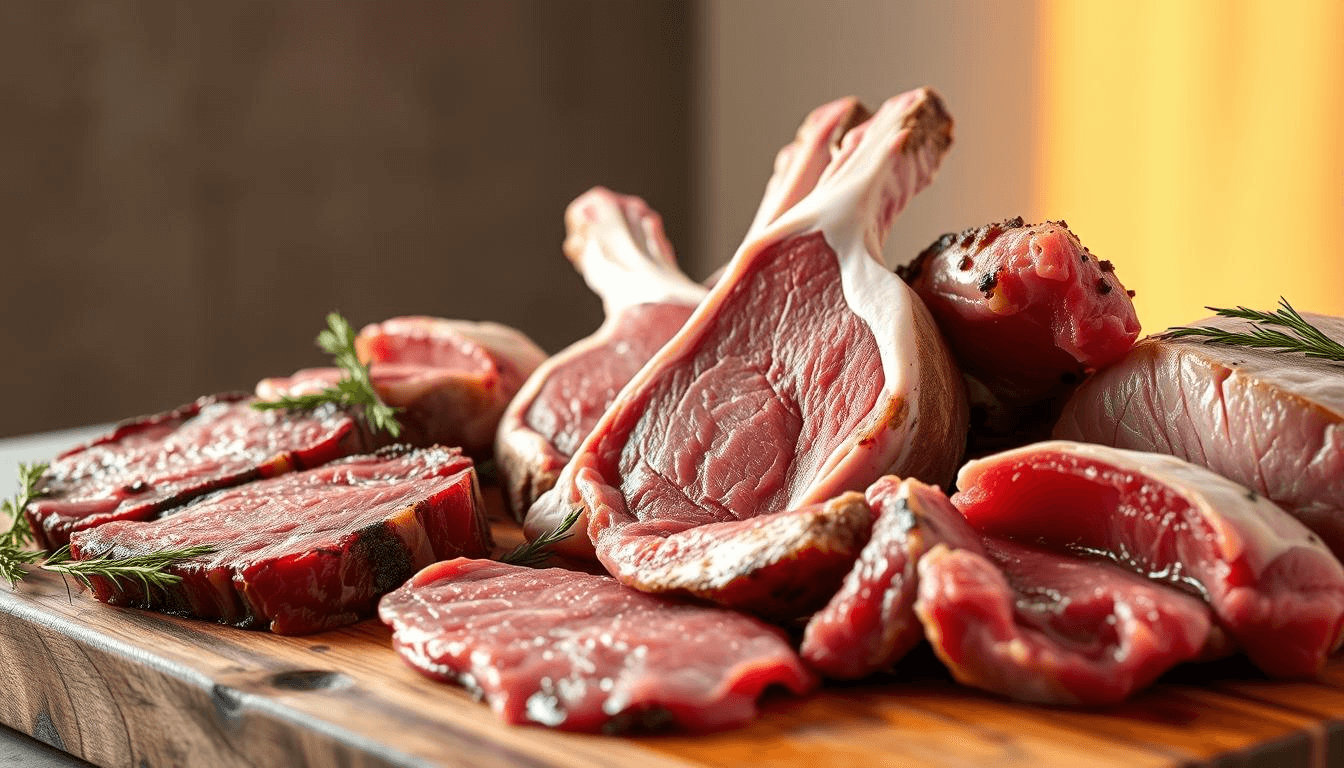
Discovering carnivore diet recipes changed how I see food. It was a relief to move away from complicated diets. The carnivore diet is simple, focusing on animal products for nutrition.
Meat recipes in the carnivore diet do more than feed you. They bring us back to our ancestors’ eating ways. They offer high-quality proteins and nutrients that boost your body’s health. If you’re thinking about trying an animal-based diet, you’re in the right spot.
This guide will cover everything about carnivore diet recipes. You’ll learn the basics and how to cook meat as the main ingredient in every meal.
Key Takeaways
- Carnivore diet focuses exclusively on animal products
- Meat recipes provide complete nutritional profiles
- Animal-based diet eliminates complex food planning
- High protein intake supports muscle health
- Nutrient density is a primary benefit of carnivore eating
Understanding the Basics of a Meat-Based Diet
Exploring the carnivorous lifestyle shows a unique way to eat. It challenges old diet rules. A primal diet plan only includes animal foods, offering a fresh take on eating.
The carnivore diet simplifies nutrition to animal proteins and fats. It appeals to those wanting a simple diet and health benefits.
Benefits of Following a Carnivore Diet
Following a carnivorous diet may bring several benefits:
- Rapid weight loss
- Increased muscle mass
- Enhanced mental clarity
- Reduced inflammation
- Simplified meal planning
Essential Nutrients in Animal-Based Foods
| Nutrient | Primary Sources | Key Benefits |
|---|---|---|
| Protein | Beef, Chicken, Fish | Muscle building, tissue repair |
| Vitamin B12 | Red Meat, Organ Meats | Neurological function, blood cell formation |
| Iron | Beef, Lamb | Oxygen transportation, energy production |
Getting Started with Carnivore Eating
Starting a primal diet needs careful planning. Begin by adding more animal proteins and cutting carbs. Consult healthcare professionals for a safe diet change.
Pay attention to how your body reacts. Be ready to tweak your recipes and meals as you get used to this diet.
Essential Kitchen Tools and Equipment for Carnivore Cooking
Creating tasty carnivore meals needs more than just great meat. Your kitchen tools are key to making dishes that wow. The right gear can make cooking more fun and improve your meat skills.
Here are the must-haves for carnivore diet fans:
- Cast Iron Skillet: Great for searing steaks and getting a nice crust on meats
- Heavy-duty grill for different cooking ways
- Sharp chef’s knife for cutting meat accurately
- Meat thermometer for the perfect cooking temps
- Sous vide machine for tender, consistent meat
Good cookware is a big plus for carnivore cooking. A Dutch oven is great for slow-cooking tough cuts. Pressure cookers make meat tender fast. Slow cookers are perfect for those with busy lives, letting you cook without much effort.
Pro tip: Choose tools that can do many things to save kitchen space and time.
Look for kitchen gear that lasts and conducts heat well. Stainless steel, cast iron, and top-notch non-stick are your best bets for tasty carnivore dishes.
Quality Meat Selection and Sourcing
Choosing the right meat is key for your carnivore diet recipes. The protein you pick can greatly affect your diet’s nutrition and taste. High-quality meats not only taste better but also offer more nutrients.
Choosing the Best Cuts of Meat
When making your carnivore diet recipes, pick these top meat cuts:
- Ribeye steak – rich in flavor and marbling
- Sirloin – lean and protein-packed
- Tenderloin – most tender muscle cut
- Chuck roast – perfect for slow cooking
Understanding Grass-fed vs. Grain-fed
Grass-fed meats are better for your animal-based diet. Grass-fed cattle produce meat with:
- Higher omega-3 fatty acids
- More antioxidants
- Lower total fat content
- Enhanced nutrient profile
Where to Buy Quality Meats
Finding premium meats is crucial for your primal diet plans. Here are some places to buy:
- Local butcher shops
- Farmers markets
- Online specialty meat providers
- Regenerative agriculture farms
“Invest in quality meat – your body will thank you.”
Carnivore Diet Recipes for Beginners

Starting with carnivore diet recipes can seem scary at first. This guide will show you how to make simple meat dishes that are tasty and easy. You’ll learn basic techniques and recipes to begin your carnivore journey.
When you start, it’s important to know how to prepare meat. Look for high-quality cuts that taste great and are easy to make. The goal is to pick the best meats and learn simple cooking methods to keep nutrients intact.
- Choose grass-fed beef cuts for optimal nutrition
- Learn basic seasoning techniques
- Master different cooking methods
- Experiment with simple meat recipes
Here are three easy zero carb recipes to start your carnivore diet:
| Recipe | Preparation Time | Difficulty Level |
|---|---|---|
| Garlic Butter Ribeye Steak | 15 minutes | Easy |
| Slow-Cooked Beef Short Ribs | 4-6 hours | Medium |
| Roasted Pork Belly | 2 hours | Easy |
Your carnivore diet recipes don’t have to be hard. Focus on quality ingredients and simple cooking techniques. With practice, you’ll get better at making tasty meat dishes that fit your diet goals.
Advanced Cooking Techniques for Meat Preparation
To make your carnivore meals stand out, you need to learn advanced cooking skills. These skills turn simple meats into amazing dishes. They follow the principles of ancestral nutrition, focusing on traditional cooking ways.
Meat preparation is more than just cooking. It’s about mastering techniques that boost flavor, texture, and nutrition of your proteins.
Dry-Aging Methods
Dry-aging makes meat taste better and becomes tender. You can dry-age at home with the right setup:
- Use a special fridge for this
- Keep the temperature between 34-38°F
- Control humidity to 80-85%
- Ensure good air flow
Smoking and Curing Techniques
Smoking adds a rich flavor to your meat. Different woods give different tastes:
| Wood Type | Flavor Profile | Best Meats |
|---|---|---|
| Hickory | Strong, bacon-like | Beef, pork |
| Apple | Sweet, mild | Chicken, turkey |
| Mesquite | Intense, earthy | Beef brisket |
Temperature Control Tips
Controlling temperature is key for great meat. Get a good meat thermometer for the best results.
- Choose digital thermometers
- Know the right internal temperatures
- Let meat rest after cooking
With these techniques, you’ll improve your cooking and make meals that rival restaurants.
Organ Meat Dishes and Nose-to-Tail Eating
Explore the world of nose-to-tail eating, a key part of ancestral nutrition. It makes your carnivore diet recipes rich in nutrients. Organ meats are packed with vitamins and minerals, offering benefits that many diets miss.
Starting with organ meat means learning about their nutritional value. Liver, for example, is like a multivitamin from nature. It’s full of:
- Vitamin A
- Iron
- B vitamins
- Copper
- Zinc
Nose-to-tail eating connects you with traditional diets. It lets you eat the whole animal, getting more nutrients and wasting less food.
| Organ Meat | Key Nutrients | Recommended Serving |
|---|---|---|
| Liver | Vitamin A, B12, Iron | 2-4 oz weekly |
| Heart | Coenzyme Q10, Protein | 3-5 oz weekly |
| Kidney | Selenium, Vitamin B12 | 2-3 oz weekly |
Begin with mild organ meats like heart, which taste closer to muscle meat. Try different cooking methods – like grinding, pan-searing, or slow cooking. These can make organ meats taste better.
“Eating nose-to-tail isn’t just a diet, it’s a return to our nutritional roots.” – Nutrition Experts
Adding organ meats to your carnivore diet boosts its nutritional value. They’re the best way to get lots of nutrients while respecting the whole animal through ancestral nutrition.
Seafood and Fish-Based Carnivore Meals
Seafood adds excitement to your carnivore diet, offering protein-rich foods. Wild-caught fish and shellfish bring unique flavors and nutrients to your meals.
Adding seafood to your diet has many health benefits. It provides essential nutrients for your body and makes meals tasty and varied.
Wild-Caught Fish Recipes
Choose high-quality, nutrient-dense fish for your diet. Here are some top picks:
- Salmon: Rich in omega-3 fatty acids
- Sardines: Packed with calcium and protein
- Mackerel: High in essential minerals
- Trout: Lean protein source
Shellfish Preparation Methods
Shellfish is a great protein source for your diet. Simple cooking methods help keep their nutrients intact:
- Pan-searing scallops with butter
- Steaming fresh crab meat
- Grilling shrimp with minimal seasoning
- Roasting lobster tails
Omega-3 Rich Options
Choose fatty fish for more omega-3s. Sardines, mackerel, and wild salmon are great for heart and brain health in your diet.
Meal Planning and Prep Strategies

Mastering meal planning is key to success on the carnivore diet. You need to plan and prepare zero carb recipes and primal diet plans carefully. This ensures you get the nutrients you need and makes mealtime easy.
Good carnivore meal ideas come from smart batch cooking. Here are some important tips:
- Invest in high-quality storage containers for portioning meals
- Cook large batches of meats during less busy days
- Utilize slow cookers and pressure cookers for efficient preparation
- Rotate different protein sources to maintain nutritional diversity
It’s important to rotate proteins in your diet. Variety prevents nutrient deficiencies and keeps your meals interesting. Try to include different meats each week:
- Beef cuts
- Lamb
- Pork
- Poultry
- Organ meats
Your meal prep should focus on safety and taste. Always cool cooked meats quickly, store them at the right temperature, and reheat them well before eating. With time, you’ll get better at making zero carb recipes that help you stay healthy.
Butter, Eggs, and Dairy in Carnivore Cooking
Dairy products are key in carnivore diet recipes. They add flavor and nutrition to your diet. Grass-fed butter, eggs, and high-quality dairy enhance your carnivorous lifestyle and provide important nutrients.
Butter is a standout in carnivore cooking. Grass-fed butter is rich in vitamin K2, omega-3 fatty acids, and fat-soluble vitamins. You can use it for cooking, making sauces, or melting over meats.
- Grass-fed butter contains higher levels of beneficial nutrients
- Full-fat cheese provides additional protein and fat
- Eggs offer versatile protein sources for carnivore meals
When picking dairy for your diet, keep these tips in mind:
- Choose full-fat, minimally processed options
- Opt for grass-fed dairy whenever possible
- Watch for individual dairy sensitivities
“High-quality animal products are the cornerstone of a nutrient-dense carnivore diet” – Carnivore Diet Experts
Eggs are a great protein source and can be cooked in many ways. They fit well into carnivore diet recipes. If you’re sensitive to dairy, try egg-based dishes and butter alternatives like ghee.
Strategic use of dairy and eggs in your diet can make your meals nutritious and tasty. It supports your carnivorous lifestyle.
Conclusion
Your journey into carnivore diet recipes is a big step towards better nutrition. Meat-based meals help you understand what your body needs. This guide has given you all the tools you need to make great dietary choices.
Every recipe and cooking trick you’ve learned is a step towards making healthy, tasty meals. You know how to pick the best meats and cook them well. Now, you can make delicious dishes that are good for your health.
Your carnivore diet journey is special and yours alone. The tips here are a good start, but listen to your body and talk to health experts too. Try out the recipes, adjust them to your taste, and keep exploring how meat can improve your health.
The carnivore diet is more than just food—it’s a way of life that connects you with basic nutrition. By focusing on quality, learning how to cook, and staying open to new things, you’ll discover the full potential of this diet.
FAQ
What exactly is the carnivore diet?
The carnivore diet is all about eating animal products. You skip plant-based foods and eat only meat, fats, and some animal products like eggs. It’s a diet that focuses on animal proteins and fats, aiming for nutrient-dense foods.
Is the carnivore diet safe for long-term consumption?
Some people say it’s good for them, but it’s not fully proven. Always talk to a doctor before trying it. There might be risks like not getting enough nutrients or eating too little variety.
What types of meats are best for a carnivore diet?
Choose high-quality meats like grass-fed beef, wild-caught fish, and pasture-raised chicken. Include fatty cuts and organ meats for extra nutrients. Foods like beef ribeye, salmon, and chicken thighs are great choices.
How do I start transitioning to a carnivore diet?
Start by eating less plant-based food and more meat. You can begin with a mix of meat and fewer carbs. Listen to how your body feels and stay hydrated. Getting advice from a nutritionist who knows about animal-based diets can also help.
Can I get enough nutrients on a carnivore diet?
Yes, animal products are packed with nutrients. You’ll get protein, fats, vitamins like B12, and minerals like zinc and iron. Organ meats are especially good, offering nutrients often missing in other meats.
What kitchen equipment do I need for carnivore cooking?
You’ll need a cast-iron skillet, meat thermometer, sharp knives, and a cutting board. Tools like tongs and a meat grinder are also useful. Slow cookers and sous vide machines make cooking tender meats easy.
Are there any potential side effects when starting the carnivore diet?
You might feel tired, have digestive changes, or notice changes in electrolytes. Some call this the “carnivore flu.” These symptoms usually go away as your body gets used to the diet. Drinking plenty of water and eating enough salt can help.
How expensive is following a carnivore diet?
It can be pricey. High-quality meats cost more than regular ones. But buying in bulk and choosing cheaper cuts can help. Shopping from local farmers can also save money.
Can vegetarians or vegans transition to a carnivore diet?
It’s a big change. Start with animal products like eggs and fish before moving to red meats. A nutritionist can guide you, helping with digestive and metabolic changes.
Are supplements recommended on a carnivore diet?
Supplements like electrolytes, omega-3 fish oil, or vitamin D might be needed. A doctor can help figure out what you need. Always focus on getting nutrients from whole foods first.
